Green Energy Options for Home: 4 Ways to Go Renewable 2026
Switching to green energy is one of the most impactful climate actions you can take as an individual. The average US household emits 4 tons of CO₂ yearly from electricity just from electricity use. Calculate your exact home energy emissions with our specialized calculator. Mostly from coal and natural gas power plants. But what if your lights, fridge, and laptop ran on sunshine, wind, or water instead?
Clean renewable energy is now more accessible and affordable than ever. Homeowners and renters both have green energy options; there’s a green energy option that can work for you.
In this guide, we’ll break down your real-world choices from utility plans to rooftop solar and show you how to make the switch with confidence. Plus, we’ll help you understand how this shift slashes your carbon footprint and learn how to use carbon footprint calculators effectively.
You can even track it using tools like the OpinoHive Carbon Footprint Calculator.
Understanding your carbon footprint helps you see where energy fits in your total emissions.
Table of Contents
What Counts as “Green Energy”?
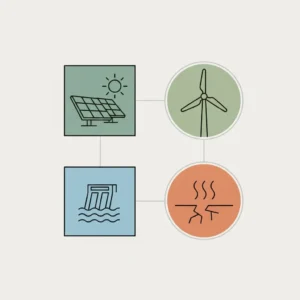
Green (or renewable) energy comes from natural sources that are constantly replenished and emit little to no greenhouse gases. The main types of electricity are:
Solar: Captured via panels on rooftops or in large solar farms.
Wind: Generated by turbines on land (onshore) or at sea (offshore).
Hydropower: Produced by flowing water in dams or rivers (though large dams can have ecological impacts).
Geothermal: Uses heat from deep within the Earth (less common for individual homes).
These sources produce no air pollution, no climate emissions, and no extraction risks. And once built, their “fuel” (sun, wind, water) is free, making prices more stable over time.
Calculate Your Home Energy Footprint
Measure your current electricity emissions before switching to green energy. See exactly how much CO₂ you eliminate with renewable power.
4 Practical Green Energy Options for Your Home
These strategies work alongside other carbon reduction efforts.
1. Green Power Programs from Your Utility
Best for: Renters, homeowners, anyone on the grid
Most utilities offer “green pricing” or “renewable energy” programs. For a small premium, your utility matches your usage with renewable energy credits, ensuring that the amount of electricity you use is matched with wind or solar power fed into the grid.
Pros:
- No installation or upfront cost
- Available in 30+ U.S. states and many countries
- Immediate carbon reduction (typically 1–3 tons CO₂/year for an average home)
How to find it:
- Check your utility bill or website for “green power,” “clean energy,” or “renewable options.”
- In the U.S., use the EPA’s Green Power Locator to see if your provider participates Verify your utility’s renewable percentage before enrolling.
Track your impact: After enrolling, recalculate your footprint with OpinoHive’s comprehensive calculator guide, which shows what to measure and when.
2. Community Solar
Best for: Renters, homeowners with shaded roofs, or those who can’t install panels
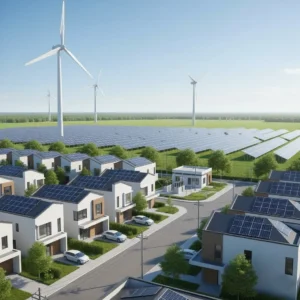
Community solar lets you subscribe to a share of a local solar farm. The clean energy it produces is fed into the grid, and you receive credits on your electricity bill, often 5–15% savings while supporting local renewable development.
Pros:
- No rooftop panels needed
- Saves money _and_ cuts emissions
- Expands solar access to low-income and multi-family households
How to find it:
- Search Community Solar Marketplace (by EnergySage).
- Check the [Solstice Initiative for income-qualified programs.
- Ask your utility if they offer or support community solar
A typical subscriber saves 3 to 5 tons CO₂ yearly
3. Rooftop Solar Panels
Best for: Homeowners with suitable roofs and long-term plans
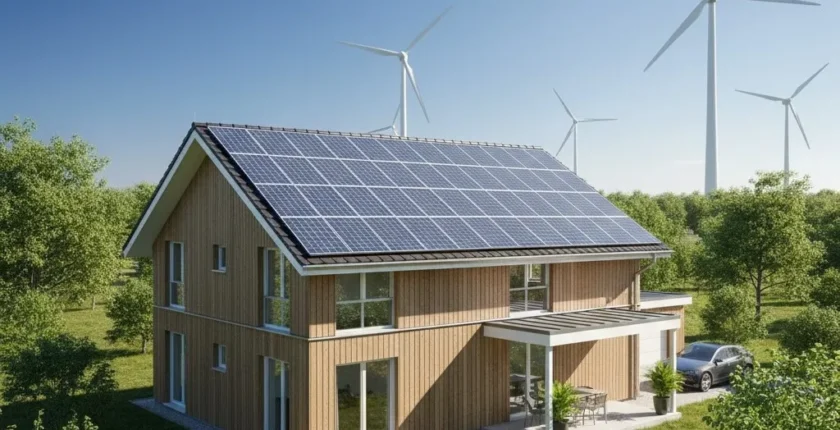
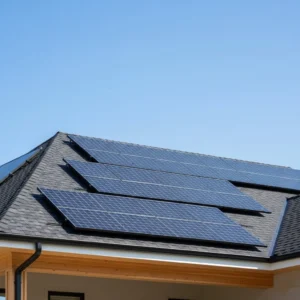
Installing solar panels on your roof lets you generate your own clean electricity, slashing bills and emissions for 25+ years. With federal tax credits (like the U.S. 30% Residential Clean Energy Credit), costs have dropped dramatically.
Pros:
- Highest long-term savings (often $1,000+/year)
- Increases home value
- Energy independence during outages (with battery storage)
How to get started:
- Use Green Power Locator to compare quotes from local installers
- Check the DSIRE Database for state/local incentives
- Ensure your roof gets good sun exposure (south-facing, minimal shading)
A standard 6 kW system eliminates 6 to 8 tons CO₂ per year
4. Switch to a Green Energy Supplier (In Deregulated Markets)
Best for: Residents in states/countries with retail energy choice
In places like Texas, Illinois, or parts of Europe, you can choose your electricity provider. Many independent suppliers offer 100% wind or solar plans sometimes at prices lower than fossil fuel utilities.
Pros:
- Competitive pricing
- Transparent sourcing (look for “100% renewable” + certification)
- Easy online switch (no technician needed)
How to compare:
- U.S.: Use DSIRE Database
- UK: Try Uswitch Green Energy
- EU: Check national regulators or EKOenergy–labeled suppliers
Always verify that the plan is backed by certified Renewable Energy Certificates (RECs) not just marketing claims.
What Isn’t Green Energy? Watch Out For…
- “Natural Gas” marketed as “clean”: It’s still a fossil fuel and emits CO₂ + methane.
- Unverified “green” utility plans: Some buy cheap, low-impact RECs from old hydro dams. Look for Green-e certification (greene.org) to ensure high-quality, new renewable projects.
- Greenwashing by big energy companies: A logo with a leaf, no real commitment. Check their actual generation mix.
⚠️ Verify Before You Switch
Not all green energy claims are legitimate. Look for third-party certification like Green-e, or request documentation showing renewable energy credits match your usage.