

10 Interview Tips | The Complete, Guide to Succeeding in Any Job Interview-2026
Interviews are rarely about giving flawless answers. They are about trust, clarity, and whether the person across the table can imagine working with you. Most candidates prepare hard, but prepare in the wrong way. They memorize responses instead of truly understanding what interviewers are actually listening to.
This guide on interviews is built from real hiring situations, not theory. It brings together preparation, mindset, and execution in a way that feels practical and effective. Whether you are a fresher, a student, or someone with years of experience, these insights apply across industries, formats, and seniority levels, including the importance of a strong resume. If you are just starting, you may also find our interview tips for freshers, interview tips for students, and interview tips for beginners especially helpful.
Table of Contents
Why Interview Preparation Matters More Than Experience
Experience gets you shortlisted. Preparation decides whether you move forward.
Interview preparation is not about knowing everything. It is about reducing uncertainty. When you understand the role, the company, and your own story, your mind relaxes. That calm shows up as confidence.
Many job interview tips focus on “what to say,” but strong interviews are built on knowing why you are saying it. Interviewers notice clarity faster than confidence. This mindset is explained further in our detailed Interview preparation tips can greatly enhance your chances of success in the interview process. guide.
Before the Interview: Foundations That Change Everything

Research the Company (Without Overdoing It)
You do not need to memorize company history. What matters is understanding how the company thinks.
Look at how they describe themselves. Notice the tone of their website. Are they formal or conversational? Growth-focused or stability-driven? This helps you match your communication style naturally.
Read recent updates or achievements if possible. Mentioning one relevant detail shows genuine interest without sounding forced. This approach works well for interview tips for global companies alike.
Most importantly, read the job description intentionally. It tells you what problems exist. Your answers should quietly show how you help to solve them. If you’re unsure what actually matters when researching, see our step-by-step guide on how to research a company before an interview.
Interview Warmup: The Step That Builds Real Confidence

An interview warmup is not about cramming information. It is about getting comfortable speaking.
Say your introduction out loud.
Say one strength example.
Tell one challenge story that highlights your skills and adaptability in the interview process.
Five minutes of spoken practice can change how confident you sound. This is especially useful for beginners, students, and freshers who struggle with nerves. This approach also helps calm nerves. Our guide on how to handle interview anxiety explains in more detail.
How to Introduce Yourself in an Interview
How do I introduce myself in an interview?
Start slow, safe, and personal.
A strong introduction includes:
-
Your professional background
-
What you are currently doing or learning
-
Why are you interested in the role
Keep it under 30 seconds. Avoid your life story. This approach consistently works for the “Tell me about yourself” across all experience levels.
For structured examples and variations, see our full guide on how to answer “Tell me about yourself.”
Common Interview Questions and How to Answer Them Naturally
What Are the 10 Common Interview Questions?
Most interviews include variations of interview answers that require you to demonstrate your skills and experiences.
-
Tell me about yourself.
-
What are your strengths?
-
What are your weaknesses?
-
Why do you want to work here?
-
Why should we hire you?
-
Tell me about a challenge or failure.
-
Where do you see yourself in five years in relation to your career goals and interest in the job?
-
How do you handle feedback?
-
How do you handle stress?
-
Do you have any questions for us?
These questions appear in almost every interview. We break them down in our common interview questions guide & why should we hire you?
Knowing this reduces anxiety immediately.
What Is Your 3 Best Strengths Answer?
Strong answers are specific and grounded in experience.
Examples that sound natural:
One of my strengths is problem-solving, especially when situations are unclear.
Adaptability has always been one of my core strengths when priorities change.
Effective communication is a strength I pride myself on in team settings.
Teamwork is one of my greatest strengths under pressure.
Leadership is a key strength I bring when responsibility increases.
I consider my strong work ethic to be a top strength because I follow through.
These examples align well with interviews for jobs related questions and answers.
How Do I Talk About Weaknesses?
Is it OK to admit weaknesses in an interview?
Yes, if you show awareness and growth.
Choose a real but manageable weakness.
Explain how you recognized it.
Explain what you do to improve.
This approach answers what your 3 weaknesses are. without hurting credibility.
For deeper examples, see our guide on effective interview answers. How to answer strengths and weaknesses in an interview.
During the Interview: What Interviewers Actually Notice
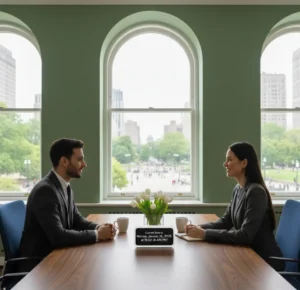
Make a Good First Impression
Make a good first impression by being present, not perfect.
Arrive early. Arrive early and ensure you have copies of your resume ready for the interview.
Sit upright.
Maintain natural eye contact.
Confidence is key, but confidence is calmness, not dominance. Use body language to support your words, not overpower them. Many candidates lose opportunities here. Our interview mistakes to avoid guide explains this clearly.
Listen Actively
Most candidates are waiting to speak.
Strong candidates listen actively.
They respond to what was asked, not what they rehearsed. This single habit separates average candidates from strong ones more than any scripted answer, especially when using the star method.
Be Concise and Positive
Be concise and positive when answering questions.
Avoid speaking negatively about past employers. This is one of the most common interview mistakes and falls under what not to do in any interview.
To expand your preparation techniques and common interview strategies, see this comprehensive set of professional job interview tips and tricks by Zety.
Tips for Different Interview Formats
In-Person Interview and Panel Interviews
In-person interviews focus on presence and energy.
Interview panel tips require balance. Address the group, not just one person. Share eye contact evenly and structure your answers clearly.
For deeper examples, see our guide on how to answer strengths and weaknesses in an interview.
Phone, Video, and Virtual Interviews
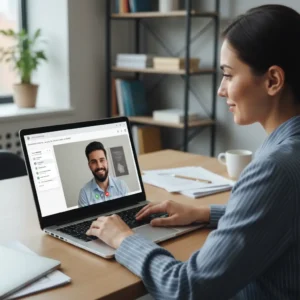
Phone interview focuses on voice clarity and pacing.
Video interviews require eye contact with the camera, not the screen.
Zoom interviews and interviews on Teams require testing audio, lighting, and background in advance. These virtual interview tips also apply to online interview tips in general.
Group Interviews

Group interview rewards listening more than talking.
Build on others’ ideas.
Avoid interrupting.
Speak when you add value.
This is often overlooked and highly effective. Take a look at our group interview and panel interview tips.
Last-Minute Tips That Actually Help

What should I do right before an interview?
Review:
- Your introduction should clearly state your interest in the job and relevant experiences.
-
Two strong examples
-
The job description
That is enough.
Interview last-minute tips should calm you, not overwhelm you.
For a quick checklist, see our last-minute guide.
10 Things to Do During an Interview
-
Arrive early
-
Listen carefully
-
Answer honestly
-
Pause before responding
-
Ask thoughtful questions
-
Use examples
-
Stay positive
-
Address weaknesses constructively
-
Be respectful
-
End confidently by summarizing your qualifications and interest in the job.
These are interview top tips that apply everywhere.
After the Interview: Follow-Up That Builds Trust
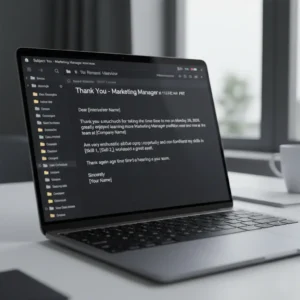
Send thank-you notes within 24 hours.
Mention something specific from the conversation.
Then follow up once if needed. Professional restraint matters more than persistence. If you’re unsure what to write, our interview follow-up guide walks you through it step by step.
Tips for Freshers, Students, and Beginners
For students, reward curiosity and thorough preparation of their resume.
For students, reward curiosity.
For beginners, work best when honesty replaces guessing. Ask what you do not know. Interviewers respect that more than confidence without substance.
For more detailed guidance on interview success from preparation to first impressions, Walden University’s career resources provide practical insights you can integrate into your routine.
Advanced Interviewing Advice Most Guides Miss
Start slow and take a moment to review your resume before answering questions.
Coax, don’t hammer.
Make some questions open-ended.
Ask what you don’t know.
Let the interviewers wander a bit—but be careful.
Don’t send advance questions.
Be prepared.
Listen, really listen.
These tips come from real interview rooms, not templates.
Frequently Asked Questions (FAQ’s)
Q: What are 5 good tips for an interview?
Prepare well, listen actively, communicate clearly, stay calm, and follow up professionally.
Q: What are 5 tips for a successful job interview?
Research the role, practice key answers, stay positive, ask smart questions, and be authentic.
Q: What are the five hardest interview questions?
Weaknesses, failures, long-term goals, stress handling, and “Why should we hire you?”
Q: What is the 10-second rule in an interview?
Pause briefly before answering to organize your thoughts clearly.
Q: What are good questions to ask the interviewer?
Ask about success expectations, team structure, and growth opportunities.
Q: How to impress an interviewer?
Be prepared, be honest, listen carefully, and connect your skills to their needs.
Final Thought
The best interview tips are not tricks or scripts. They are habits built through awareness, preparation, and reflection.
Every interview makes you better if you pay attention.
